
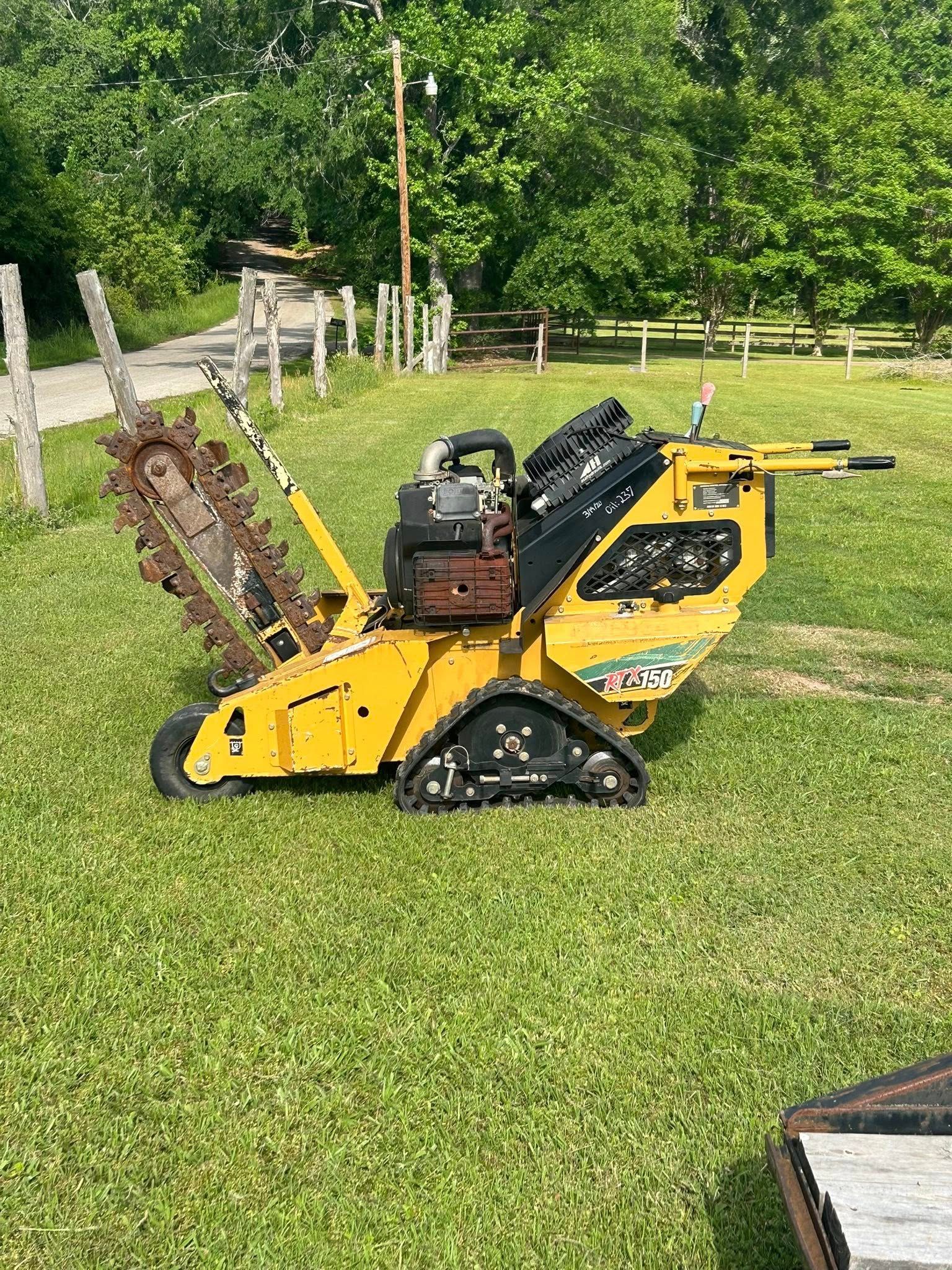
Cut Clean Lines for Utilities and Drainage
Trencher equipment available in Pollok for irrigation, fencing, and underground installations
When you need to run electrical conduit to a new outbuilding in Pollok or install a drip irrigation system across a pasture, a trencher cuts a narrow, consistent channel faster and cleaner than digging by hand or using a backhoe. The machine slices through soil with a chain or blade, leaving a trench ready for pipe or cable without disturbing the surrounding ground.
LufTex Rental LLC rents trenchers suited for farm infrastructure, residential drainage projects, and property improvements common in Pollok and nearby areas. These machines handle tasks like burying water lines to livestock tanks, laying drainage tile under fields, installing landscape lighting circuits, and running conduit for electric fencing. You can rent by the day or for the length of your project, and the equipment transports on a trailer.
If you are planning underground work in Pollok, contact us to confirm equipment availability and trench specifications.
How Trenching Equipment Handles East Texas Soil
You operate the trencher by guiding it along your marked path, and the digging chain or wheel cuts to a set depth while ejecting soil to one side of the trench. The machine works well in the clay and sandy loam found throughout Pollok, and you can adjust depth and width depending on what you are installing.
After trenching is finished, you will see uniform channels ready for pipe, conduit, or cable, with minimal disturbance to grass or landscaping on either side. The trencher leaves soil piled neatly along the trench line, so you can backfill and tamp after laying your materials. Roots and rocky soil may slow progress, but the equipment will cut through most obstacles smaller than the chain spacing.
You are responsible for marking underground utilities before digging, operating the trencher safely, and cleaning the equipment before return. This rental does not include installation of pipe, wiring, or gravel, and you will need to arrange backfill and compaction separately.
Common concerns before starting a trench project
People renting trenchers for the first time often ask about operating difficulty, how to handle obstacles, and whether the equipment will damage existing landscaping or underground features.
LufTex Rental LLC provides trenchers ready for utility and drainage projects across properties in Pollok, from fence line installations to irrigation system expansions. Call (936) 853-3000 to check availability and review trench depth options for your job.